Kudos to NBC for running a series on The Today Show on the decline of civility. I missed this part of the series the other day, but Lisa gave me a heads-up and I found it online. It's worth passing on because it relates to our families, our parenting, our youth ministries, and what we do here at CPYU. Give it a look. . .
So what do we do now? What do YOU do now? Any changes needed in the way you live? Parent? Minister? Use social media?
Wednesday, November 3, 2010


Monday, November 1, 2010
That's Us. . . On TV! . . . .
There were a couple of commercials that I saw this weekend. . . several times each. . . that caught my eye. They caught my eye because they are not only creative, but because they caught the rest of me as well. The "rest of me" meaning aspects of who I/we've become in our culture, how we live in our culture, and what living in this culture has been doing to us.
The first is one of the ads for the new Windows Phone 7. . . .
I think this ad not only captures the sad reality of how technology has enslaved us, but how over time - a very short period of time relatively speaking - we've allowed that technology to hijack us out of deep and meaningful face-to-face relationships. How many times have you been with someone and they've been paying too much attention to the technology in their hand, and not enough attention to you. I've been on both the giving and receiving end of that one. . . both perpetrator and victim. I've been thinking in recent weeks about how important it is for us to put it down. Sure, we should still use it, but not in the way we have been using it. When you're talking to me and I'm talking to you. . . don't tweet it, post it, etc. Wait until later. And when later comes, use some discretion.
There is one way this ad gets it wrong. . . way wrong. It's at the end. We don't need to be saved from our phones. It's not our phones. It's us. We need to be saved from ourselves and the ways we've gotten locked into living our lives this way. It's not the phone's fault. And by the way, a new-fangled phone's not going to do the saving.
The second commercial is one in a new series of ads for the Toyota Highlander. . .
Watching it reminded me of how automobile manufacturers actually peddle their wares to people who aren't even close in age to having a driver's license. They target kids because in today's world, 65% of the automobile purchases made by parents of children are influenced by those children. Maybe Pontiac. . .who closed down officially today. . . should have taken a cue from Toyota's strategy in this series of ads. I don't like the smart kid/stupid parent theme. But it does work. While it's a stretch, the stretch the ad takes in the direction of the hip kid/lame parent does ring somewhat true when it comes to being media savvy. The kid's right when he claims to be more knowledgeable of this stuff than his parents, which should serve as a wake-up call for us older folks. But I'm afraid this is one ad that fuels entitlement, materialism, and narcissism. . . all trends that are already firmly entrenched in the soil of today's youth culture. What messages do kids get when they see this ad?
You've heard me say it before. . . culture is a map and a mirror. These ads map out life for viewers, telling them this is the way things are and the way things ought to be. The ads mirror our world to us if we are willing to watch critically with discerning eyes. Hopefully, they'll spur us on to know what to say, who to say it to, and how to say it when it comes to proclaiming the Kingdom of God and the way things really ought to be.
The first is one of the ads for the new Windows Phone 7. . . .
I think this ad not only captures the sad reality of how technology has enslaved us, but how over time - a very short period of time relatively speaking - we've allowed that technology to hijack us out of deep and meaningful face-to-face relationships. How many times have you been with someone and they've been paying too much attention to the technology in their hand, and not enough attention to you. I've been on both the giving and receiving end of that one. . . both perpetrator and victim. I've been thinking in recent weeks about how important it is for us to put it down. Sure, we should still use it, but not in the way we have been using it. When you're talking to me and I'm talking to you. . . don't tweet it, post it, etc. Wait until later. And when later comes, use some discretion.
There is one way this ad gets it wrong. . . way wrong. It's at the end. We don't need to be saved from our phones. It's not our phones. It's us. We need to be saved from ourselves and the ways we've gotten locked into living our lives this way. It's not the phone's fault. And by the way, a new-fangled phone's not going to do the saving.
The second commercial is one in a new series of ads for the Toyota Highlander. . .
Watching it reminded me of how automobile manufacturers actually peddle their wares to people who aren't even close in age to having a driver's license. They target kids because in today's world, 65% of the automobile purchases made by parents of children are influenced by those children. Maybe Pontiac. . .who closed down officially today. . . should have taken a cue from Toyota's strategy in this series of ads. I don't like the smart kid/stupid parent theme. But it does work. While it's a stretch, the stretch the ad takes in the direction of the hip kid/lame parent does ring somewhat true when it comes to being media savvy. The kid's right when he claims to be more knowledgeable of this stuff than his parents, which should serve as a wake-up call for us older folks. But I'm afraid this is one ad that fuels entitlement, materialism, and narcissism. . . all trends that are already firmly entrenched in the soil of today's youth culture. What messages do kids get when they see this ad?
You've heard me say it before. . . culture is a map and a mirror. These ads map out life for viewers, telling them this is the way things are and the way things ought to be. The ads mirror our world to us if we are willing to watch critically with discerning eyes. Hopefully, they'll spur us on to know what to say, who to say it to, and how to say it when it comes to proclaiming the Kingdom of God and the way things really ought to be.
Friday, October 29, 2010
Old Made New. . . With A Great Message. . . .
Gary has been doing all he can these last couple of weeks to exercise the memory portion of my brain. He's a college buddy who's been spending time posting some pretty incredible music memories on his Facebook page. One of the things that I love about music is that it serves me like that souped up Delorean Marty McFly used to transport himself instantaneously from one place to another. A lot of the stuff Gary's been posting has taken me back and put a smile on my face.
After I commented to Gary on some of his selections, he dug into YouTube's music archives to find something distinctively Philly-sounding that we often heard playing in the college dining hall back in 1976. Then, he posted the video on his Facebook page as a little gift to me. I love it!
Listening to Harold Melvin and the Blue Note's "Wake Up Everybody" some thirty-plus years later reminded just how important and powerful the prophetic voice can be. In a day and age when music and its messages can be frustrating and even frightening - a fact fresh in my mind as just yesterday I wrote a 3(D) review of Miley Cyrus's "Who Owns My Heart?" for our next edition of ENGAGE - this is one song worth listening to and even talking about with your kids.
So just for fun. . . take a few minutes and listen to the original. . . .
And then watch and listen to the newly released version of the song from John Legend and The Roots. . .
And if you've got even more time, check out this live version from John Legend and The Roots. Why? Well, it's worth seeing a sousaphone on stage in the mix. . .
After I commented to Gary on some of his selections, he dug into YouTube's music archives to find something distinctively Philly-sounding that we often heard playing in the college dining hall back in 1976. Then, he posted the video on his Facebook page as a little gift to me. I love it!
Listening to Harold Melvin and the Blue Note's "Wake Up Everybody" some thirty-plus years later reminded just how important and powerful the prophetic voice can be. In a day and age when music and its messages can be frustrating and even frightening - a fact fresh in my mind as just yesterday I wrote a 3(D) review of Miley Cyrus's "Who Owns My Heart?" for our next edition of ENGAGE - this is one song worth listening to and even talking about with your kids.
So just for fun. . . take a few minutes and listen to the original. . . .
And then watch and listen to the newly released version of the song from John Legend and The Roots. . .
And if you've got even more time, check out this live version from John Legend and The Roots. Why? Well, it's worth seeing a sousaphone on stage in the mix. . .
Wednesday, October 27, 2010
Four Loko - Canned Cocaine?
On October 8th, nine 17 to 19-year-old Central Washington University Students attending the same party had to be hospitalized with blood-alcohol levels of 0.12 percent to 0.35 percent. When the story first broke, officials were puzzled, wondering if the students had willingly or unwillingly consumed drugs, perhaps even date rape drugs. But toxicology tests for drugs were negative. Just two weeks later, officials released their findings. The common thread for the nine – one of whom almost died – was that they had consumed a sweet, highly-caffeinated, alcoholic energy drink called Four Loko. Sadly, this incident is not isolated, but increasingly common.
It’s no secret that the alcohol and tobacco industries need to cultivate new drinkers and smokers to stay alive, generate revenue, and grow. While there have been many times when they’ve denied it, those charged with creating marketing campaigns know that today’s underage drinkers and smokers are both the now and future tobacco and alcohol market. And while there are numerous regulations in place to prohibit them from creating and marketing products to teens, there are ways around that.
In recent years, the alcohol industry has created and peddled lots of new colorful and fruity products that blur the packaging and content line between kid-stuff like juices and soft-drinks, and adult stuff like highly caffeinated energy drinks, wine coolers, and even beer.

Now, the canned beverage known as Four Loko - from Chicago-based Phusion Projects Inc. - is flooding youth culture from young adults down to curious and young thrill-seeking kids. The brightly-packaged 23.5 ounce cans contain a caffeinated, 12% alcohol malt beverage that generates a dangerous buzz that is potent and fast-acting. The alcohol content is three times that of a beer. One can of Four Loko is equivalent to a six-pack of beer in alcohol content. Both users and health-care officials have likened Four Loko to cocaine in a can. Like soda, Four Loko contains sugar, artificial flavors (Grape, Blue Raspberry, Orange, Watermelon, Fruit Punch, Lemonade, Cranberry, and Cranberry Lemonade) and carbonation. It also includes taurine, guarana, caffeine, and wormwood (the active ingredient in absinthe), the four ingredients developers used as a basis for the drink’s name.
Four Loko’s rapid rise in popularity has administrators and healthcare officials on college campuses working hard to raise awareness among students as to the very real dangers associate with the drink. The fact that a growing number of cases of alcohol-poisoning related to Four Loko consumption and binging are being reported in hospital emergency rooms has officials concerned as well. This trend is sure to continue as Four Loko drinkers endeavor to down three or fan cans in quick succession in an effort to get the full effect of a quicker high.
Why is Four Loko gaining popularity among young adults and teens? There are many reasons.
First, kids are by nature risk-takers who have a sense of invulnerability that feeds the sense that “nothing bad will ever happen to me.” Not only that, but kids are looking to have a good time, and Four Loko is associated with fun.
Second, Four Loko offers a cheap high. At around $2.50 a can, it’s affordable. As a result more and more kids are going to drink it.
Third, Four Loko is marketed and sold in ways that attract the attention of younger and underage drinkers. For example the cans give off a “fun feel” through the use of bright colors that catch the eye. In some stores, Four Loko isn’t found on the shelves near beer and other alcoholic beverages. Instead, Four Loko is shelf-stocked near the non-alcoholic energy drinks popular among kids. In addition, the drink’s fruity flavors are attractive to young consumers who have been raised on fruit juice.
Fourth, the drink is marketed as being both fun and sexy. A visit to the Four Loko homepage features shadowy silhouettes of a couple of young, naked women standing seductively in the shadows, a marketing ploy that not only draws in the male audience, but promises alcohol-infused sex-appeal to female drinkers. In fact, many of the many Four Loko songs that are popping up on YouTube tout the drink’s ability to make those who are ugly, sexually attractive in the eyes of Four Loko drinkers.
Fifth, there’s the viral element that’s been fueled by the world of social media. Four Loko’s growing Facebook Fan Page features testimonials and drinking suggestions from satisfied Four Loko drinkers. The page includes this poetic descriptor of the drink’s effects: “Corny?!...Four loko: big sizes which make you do surprizes...Tastey and makes you wastey...If you dont like it, you're a sucker cause four loko makes you f____ her...
It has a deliscious flavor but the memories you cant savor...”
Sixth, there’s the pop culture element, particularly the growing number of Rap videos – many of them claiming to be “official” – that are posted on YouTube. A quick YouTube search of the term “Four Loko” provides perhaps the best street-level education on the drink that’s available.
Finally, there’s word-of-mouth. Kids are drinking it, then telling their friends. Once that happens, word is out and the power of peer pressure kicks in full-tilt.
What can we do in response? Here are a few quick suggestions. As with any alcohol-consumption issue that involves underage drinking, binge drinking, or the immoral aspect and irresponsibility of drunkenness and the many resulting spiritual, physical, and emotional risks, the rising popularity and abuse of Four Loko requires diligence on the part of all adults. Parents should warn their kids about the potency and dangers of Four Loko. They should also set and enforce strict behavioral parameters when it comes to substance abuse. Parents and youth workers should present a united front by providing a Biblical perspective on drinking. In addition, they should discover and address any underlying issues that are driving kids to self-medicate through substance abuse. And finally, community members should unite to establish policies that regulate the marketing, distribution, and sale of Four Loko to kids.
It’s no secret that the alcohol and tobacco industries need to cultivate new drinkers and smokers to stay alive, generate revenue, and grow. While there have been many times when they’ve denied it, those charged with creating marketing campaigns know that today’s underage drinkers and smokers are both the now and future tobacco and alcohol market. And while there are numerous regulations in place to prohibit them from creating and marketing products to teens, there are ways around that.
In recent years, the alcohol industry has created and peddled lots of new colorful and fruity products that blur the packaging and content line between kid-stuff like juices and soft-drinks, and adult stuff like highly caffeinated energy drinks, wine coolers, and even beer.

Now, the canned beverage known as Four Loko - from Chicago-based Phusion Projects Inc. - is flooding youth culture from young adults down to curious and young thrill-seeking kids. The brightly-packaged 23.5 ounce cans contain a caffeinated, 12% alcohol malt beverage that generates a dangerous buzz that is potent and fast-acting. The alcohol content is three times that of a beer. One can of Four Loko is equivalent to a six-pack of beer in alcohol content. Both users and health-care officials have likened Four Loko to cocaine in a can. Like soda, Four Loko contains sugar, artificial flavors (Grape, Blue Raspberry, Orange, Watermelon, Fruit Punch, Lemonade, Cranberry, and Cranberry Lemonade) and carbonation. It also includes taurine, guarana, caffeine, and wormwood (the active ingredient in absinthe), the four ingredients developers used as a basis for the drink’s name.
Four Loko’s rapid rise in popularity has administrators and healthcare officials on college campuses working hard to raise awareness among students as to the very real dangers associate with the drink. The fact that a growing number of cases of alcohol-poisoning related to Four Loko consumption and binging are being reported in hospital emergency rooms has officials concerned as well. This trend is sure to continue as Four Loko drinkers endeavor to down three or fan cans in quick succession in an effort to get the full effect of a quicker high.
Why is Four Loko gaining popularity among young adults and teens? There are many reasons.
First, kids are by nature risk-takers who have a sense of invulnerability that feeds the sense that “nothing bad will ever happen to me.” Not only that, but kids are looking to have a good time, and Four Loko is associated with fun.
Second, Four Loko offers a cheap high. At around $2.50 a can, it’s affordable. As a result more and more kids are going to drink it.
Third, Four Loko is marketed and sold in ways that attract the attention of younger and underage drinkers. For example the cans give off a “fun feel” through the use of bright colors that catch the eye. In some stores, Four Loko isn’t found on the shelves near beer and other alcoholic beverages. Instead, Four Loko is shelf-stocked near the non-alcoholic energy drinks popular among kids. In addition, the drink’s fruity flavors are attractive to young consumers who have been raised on fruit juice.
Fourth, the drink is marketed as being both fun and sexy. A visit to the Four Loko homepage features shadowy silhouettes of a couple of young, naked women standing seductively in the shadows, a marketing ploy that not only draws in the male audience, but promises alcohol-infused sex-appeal to female drinkers. In fact, many of the many Four Loko songs that are popping up on YouTube tout the drink’s ability to make those who are ugly, sexually attractive in the eyes of Four Loko drinkers.
Fifth, there’s the viral element that’s been fueled by the world of social media. Four Loko’s growing Facebook Fan Page features testimonials and drinking suggestions from satisfied Four Loko drinkers. The page includes this poetic descriptor of the drink’s effects: “Corny?!...Four loko: big sizes which make you do surprizes...Tastey and makes you wastey...If you dont like it, you're a sucker cause four loko makes you f____ her...
It has a deliscious flavor but the memories you cant savor...”
Sixth, there’s the pop culture element, particularly the growing number of Rap videos – many of them claiming to be “official” – that are posted on YouTube. A quick YouTube search of the term “Four Loko” provides perhaps the best street-level education on the drink that’s available.
Finally, there’s word-of-mouth. Kids are drinking it, then telling their friends. Once that happens, word is out and the power of peer pressure kicks in full-tilt.
What can we do in response? Here are a few quick suggestions. As with any alcohol-consumption issue that involves underage drinking, binge drinking, or the immoral aspect and irresponsibility of drunkenness and the many resulting spiritual, physical, and emotional risks, the rising popularity and abuse of Four Loko requires diligence on the part of all adults. Parents should warn their kids about the potency and dangers of Four Loko. They should also set and enforce strict behavioral parameters when it comes to substance abuse. Parents and youth workers should present a united front by providing a Biblical perspective on drinking. In addition, they should discover and address any underlying issues that are driving kids to self-medicate through substance abuse. And finally, community members should unite to establish policies that regulate the marketing, distribution, and sale of Four Loko to kids.
Tuesday, October 26, 2010
You've Got To Be Kidding! . . . .
For years I've been relying on the world of advertising to help me explain youth culture. . . what it is, where it has come from, where it's going, and what it can tell us about kids. Those of us committed to "listening twice" - to the Word and the world - are always looking for and deconstructing the latest ad.
If you've been around when I've talked about the world of advertising and the way it has evolved over the years, you've probably seen some of the old ads that even though they were once cutting-edge and relevant, are now absolutely ridiculous. . . or even downright scary!
The other day, Derek Melleby forwarded to me an email that featured some of these old ads that "we will NEVER see again." I've included some in my presentations over the years. . . . but this is a great collection! So just for fun. . . . enjoy. . . .




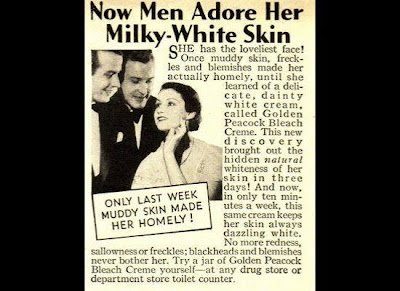


If you've been around when I've talked about the world of advertising and the way it has evolved over the years, you've probably seen some of the old ads that even though they were once cutting-edge and relevant, are now absolutely ridiculous. . . or even downright scary!
The other day, Derek Melleby forwarded to me an email that featured some of these old ads that "we will NEVER see again." I've included some in my presentations over the years. . . . but this is a great collection! So just for fun. . . . enjoy. . . .


Monday, October 25, 2010
N.Y. City, Teenagers, Sex, & Identity. . . .

Did you happen to see the report that came out today regarding teenagers and sexual behavior? Published in the journal Pediatrics, the report is based on survey data from the latest edition of The Youth Risk Behavior Survey, which was administered to 17,220 New York City high school students. The Associated Press ran a story by Karen Matthews summarizing the report's findings.
Here's some of what you need to know about today's teens:
-7,261 of the students who completed the survey said they had had sexual intercourse.
-93.1 percent of the sexually active males had only had sexual contact with female partners.
-3.2 percent of the sexually active males said they'd had contact only with other males.
-3.7 percent of the sexually active males had had both male and female sexual partners.
-88.1 percent of the sexually active females said they'd only had sex with males.
-3.2 percent of the sexually active females said they'd only had sex with female partners.
-8.7 percent of sexually active females said they'd had sex with both male and female partners.
-Among all the sexually active teens, 9.3 percent reported having at least one same-sex partner.
-Of all the teens who reported having at least one same-sex partner, 38.9 percent said that they were "heterosexual" or "straight."
-Among girls who reported having both male and female partners, 35.8 percent said they had experienced dating violence during the previous year.
-Among boys who reported having both male and female partners, 34.8 percent reported experiencing dating violence during the previous year.
How do you process this data? What does it make you think about kid's and today's culture? How does it make you feel about what our kids are learning and how they're living those lessons out?
How we process and respond to these issues reveals much about our worldview and how that informs our values, attitudes, and behaviors. That's certainly the case with something I read in Karen Matthews' article. Matthews reports, "Advocates said the results point to the need for public health messages to target behavior, not identity." Think about that for a minute. Isn't there something lacking and foundationally wrong in that prescription?
Because I am an integrated being. . . even when my actions don't coincide with my stated beliefs and convictions . . . I ultimately act out who I believe I am. . . whether that belief is something I've consciously or unconsciously assimilated into my life. And when the great task of adolescence is identity formation and the figuring out of who I am, doesn't it make sense that we invest our time and effort into helping our kids establish their identity? As people who follow Christ and believe that our identity is found in the One who made us for Himself, doesn't that say quite a bit about the focus we need in our ministries to kids? You see, if my identity is wrapped up in anything less than that which transcends me, myself, and I. . . well, then I can do and be anything I want to do and be.
I think this study issues a loud and clear call to the Church. . . we must think seriously about how to reach kids with the message of where to ultimately find their identity. . . and what that means for all of life. I'm not sure that anything else can effect lasting behavioral change. . . or serve them well as they discover the purpose for their God-given sexuality.
Friday, October 22, 2010
Sally's Youthful Take on Dirty Dancing. . . .
On Wednesday I had the privilege to speak at Houghton College to the school’s 1,200 students in chapel. My message to them was simple: “As young people redeemed by Christ and called to a lifetime of service to Him, resolve now to always listen twice.” This is the simple message that’s at the core of all we do here at CPYU. The Scriptures are clear – we are to listen first to God’s Word. But our need to listen doesn’t stop there. We are also called to listen to and discern the heart of the world. You see, opening our ears to understand the world allows us to more effectively communicate the unchanging Word of God in ways that answer the world’s great need in ways that the world can hear and understand.
At CPYU, we tune our ears into today’s youth culture for the sake of the advance of the Gospel. One youth culture issue we’ve been listening to in recent weeks has been unfolding right here in Lancaster County. A few weeks ago, our morning newspaper carried a story - which I blogged about - reporting on a local school district that decided to cancel the annual homecoming dance. The reason? After several years of issuing warnings to students, dance attendees continued to engage in increasingly dirty and suggestive dancing. Several years ago, CPYU issued a “Trend Alert” on this type of dancing known as “freak dancing” and “grinding.” Some people have correctly described this type of dancing as “having sex with your clothes on.” The behavior and the failure of students to obey respect the authority of their administrators is a clear indicator of the continued decline of morals not only among teenagers, but in the culture-at-large.

Shortly after blogging on the topic a few weeks ago, a blog-reader from Maryland emailed me a copy of the contract students are to sign if they want to attend their district's Homecoming Dance. The contract includes these bullet points under the heading "Expected Student Behaviors":
-The manner of dancing will be appropriate for a school function. Dancing such as moshing or slamming will not be permitted.
-Sexually explicit dancing is defined as the following:
-Freaking or grinding
-No intimate touching of the breasts, buttocks, or genitals that simulates sexual activity.
-No back to front dancing; no squatting or bending.
-No hands on the knees or on the floor with buttocks facing or touching a partner or in the air.
-No leg or hip grinding.
-No "making out" (over and/or prolonges public displays of affection).
Yesterday, our local paper ran a letter to the editor from a local high school student, Sally Canon, who endeavored to explain dirty dancing in today’s youth culture. Her words are worth reading, as they provide a wide open window into the way kids in today’s youth culture think about these matters. While you can read the entire text of Sally's letter here, I've pulled a few sentences that I trust capture her thoughts and reasoning: “Parents, you have to understand this is what our generation has come to. This is us. There is no stopping it. . . . We don’t know any other way to dance. It’s also not our fault our music brings this on. . . . Students aren’t just going to go along with the rules of no grinding. They’re ticked, therefore, many are having parties homecoming night consisting of all the grinding they want and alcohol simply because they can’t grind at homecoming. . . . When our society’s values and morals are what they are, how else are you expecting us to dance? Schools can’t take this out on us for not knowing how else to dance and they can’t blame us for what our generation has become.”
While Sally tells us what her peers are thinking and doing, listening carefully to her words serves to issue several challenges to parents, churches, youth workers, and all those who are genuinely concerned about kids. First, we realize that those of us who are older need to think carefully about the examples we’ve provided to our children and teens. Second, behavior that we know is a fallen and sinful expression of God’s good gift of sexuality is no longer seen by kids as immoral and wrong. Rather, it’s normal, nuetral, and maybe even right. And finally, fewer and fewer members of the emerging generations are willing to take responsibility for their behavior. Each of these trends is a deeply troubling indicator of the changes taking place in the way our kids think, talk, and act. . . and what we've done - or maybe not done - to facilitate that. Perhaps most troubling of all is that each of these trends is also pervasive among our professing Christian kids, which indicates a disconnect between their stated beliefs and their real-world behaviors.
So, let’s go back to that challenge to “listen twice.” As Christ’s ambassadors, called and sent into this world, we are to be about the business of effectively communicating the life-changing Good News about Jesus Christ to a lost culture full of confused kids who are in desperate need of redemption. With that as the basis for why we are so committed to listening twice, what do you hear in Sally's words? And how can we bring the light of God's Word to bear on Sally and her world? Comments?
I encourage you to live a life of listening twice. . . . both to God’s Word, and to the world. And please continue to pray for us as we endeavor to serve our Lord by doing the same.
At CPYU, we tune our ears into today’s youth culture for the sake of the advance of the Gospel. One youth culture issue we’ve been listening to in recent weeks has been unfolding right here in Lancaster County. A few weeks ago, our morning newspaper carried a story - which I blogged about - reporting on a local school district that decided to cancel the annual homecoming dance. The reason? After several years of issuing warnings to students, dance attendees continued to engage in increasingly dirty and suggestive dancing. Several years ago, CPYU issued a “Trend Alert” on this type of dancing known as “freak dancing” and “grinding.” Some people have correctly described this type of dancing as “having sex with your clothes on.” The behavior and the failure of students to obey respect the authority of their administrators is a clear indicator of the continued decline of morals not only among teenagers, but in the culture-at-large.

Shortly after blogging on the topic a few weeks ago, a blog-reader from Maryland emailed me a copy of the contract students are to sign if they want to attend their district's Homecoming Dance. The contract includes these bullet points under the heading "Expected Student Behaviors":
-The manner of dancing will be appropriate for a school function. Dancing such as moshing or slamming will not be permitted.
-Sexually explicit dancing is defined as the following:
-Freaking or grinding
-No intimate touching of the breasts, buttocks, or genitals that simulates sexual activity.
-No back to front dancing; no squatting or bending.
-No hands on the knees or on the floor with buttocks facing or touching a partner or in the air.
-No leg or hip grinding.
-No "making out" (over and/or prolonges public displays of affection).
Yesterday, our local paper ran a letter to the editor from a local high school student, Sally Canon, who endeavored to explain dirty dancing in today’s youth culture. Her words are worth reading, as they provide a wide open window into the way kids in today’s youth culture think about these matters. While you can read the entire text of Sally's letter here, I've pulled a few sentences that I trust capture her thoughts and reasoning: “Parents, you have to understand this is what our generation has come to. This is us. There is no stopping it. . . . We don’t know any other way to dance. It’s also not our fault our music brings this on. . . . Students aren’t just going to go along with the rules of no grinding. They’re ticked, therefore, many are having parties homecoming night consisting of all the grinding they want and alcohol simply because they can’t grind at homecoming. . . . When our society’s values and morals are what they are, how else are you expecting us to dance? Schools can’t take this out on us for not knowing how else to dance and they can’t blame us for what our generation has become.”
While Sally tells us what her peers are thinking and doing, listening carefully to her words serves to issue several challenges to parents, churches, youth workers, and all those who are genuinely concerned about kids. First, we realize that those of us who are older need to think carefully about the examples we’ve provided to our children and teens. Second, behavior that we know is a fallen and sinful expression of God’s good gift of sexuality is no longer seen by kids as immoral and wrong. Rather, it’s normal, nuetral, and maybe even right. And finally, fewer and fewer members of the emerging generations are willing to take responsibility for their behavior. Each of these trends is a deeply troubling indicator of the changes taking place in the way our kids think, talk, and act. . . and what we've done - or maybe not done - to facilitate that. Perhaps most troubling of all is that each of these trends is also pervasive among our professing Christian kids, which indicates a disconnect between their stated beliefs and their real-world behaviors.
So, let’s go back to that challenge to “listen twice.” As Christ’s ambassadors, called and sent into this world, we are to be about the business of effectively communicating the life-changing Good News about Jesus Christ to a lost culture full of confused kids who are in desperate need of redemption. With that as the basis for why we are so committed to listening twice, what do you hear in Sally's words? And how can we bring the light of God's Word to bear on Sally and her world? Comments?
I encourage you to live a life of listening twice. . . . both to God’s Word, and to the world. And please continue to pray for us as we endeavor to serve our Lord by doing the same.
Subscribe to:
Posts (Atom)